

Infrastructure and Repair Projects
infrastructure and repair projects are vital for creating a safe, conducive, and effective learning environment in schools. They impact student safety, academic performance, teacher morale, community support, and the overall quality of education provided by the institution. Regular maintenance and strategic improvements are essential for the long-term success and sustainability of educational facilities.
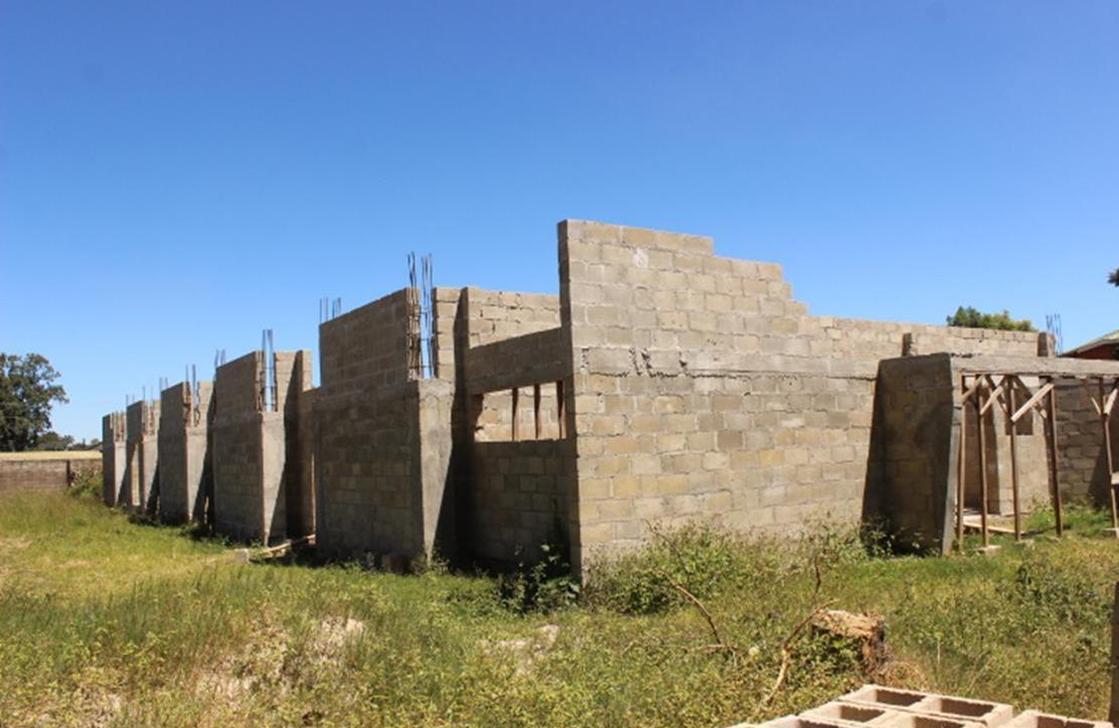
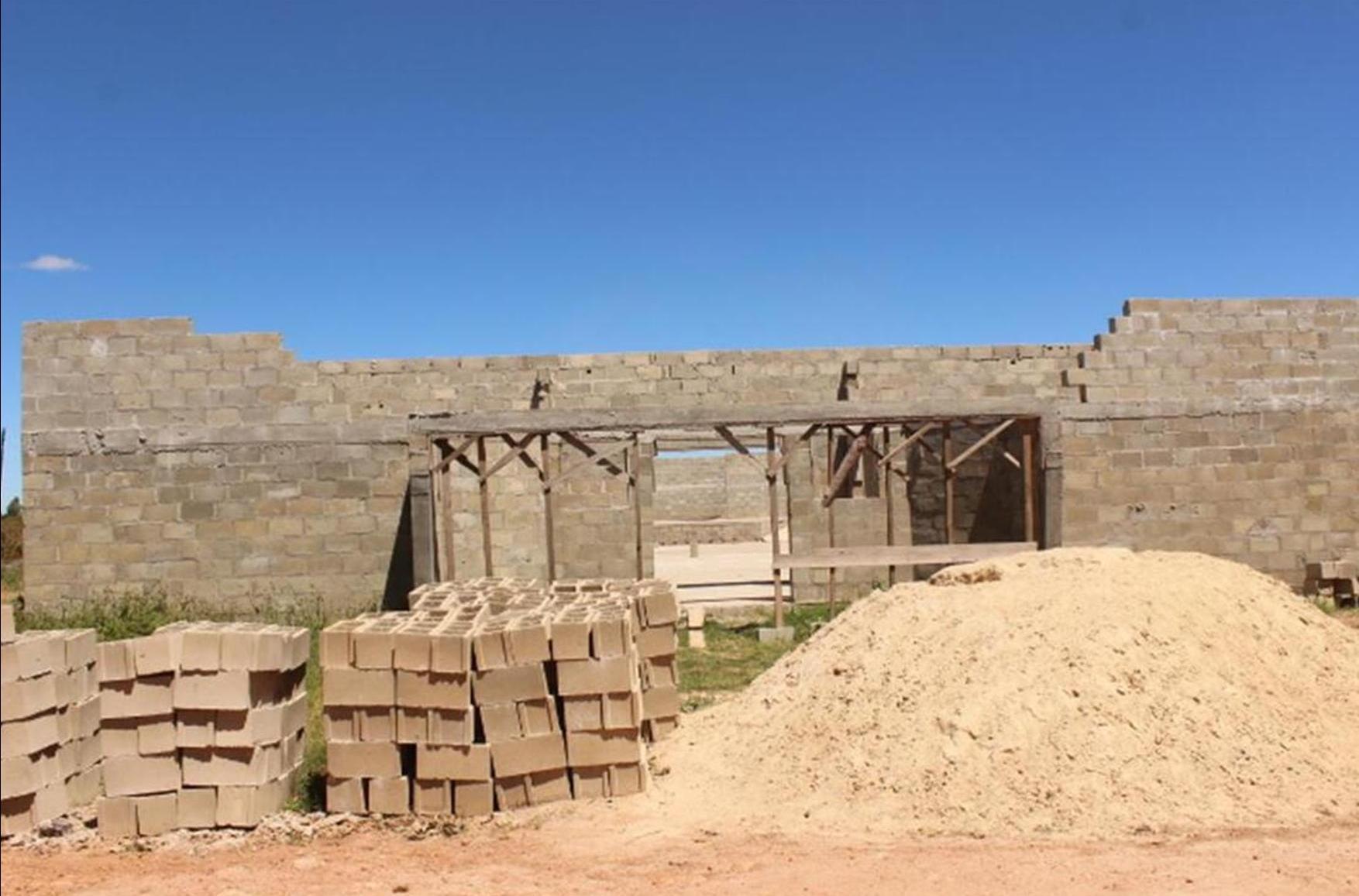
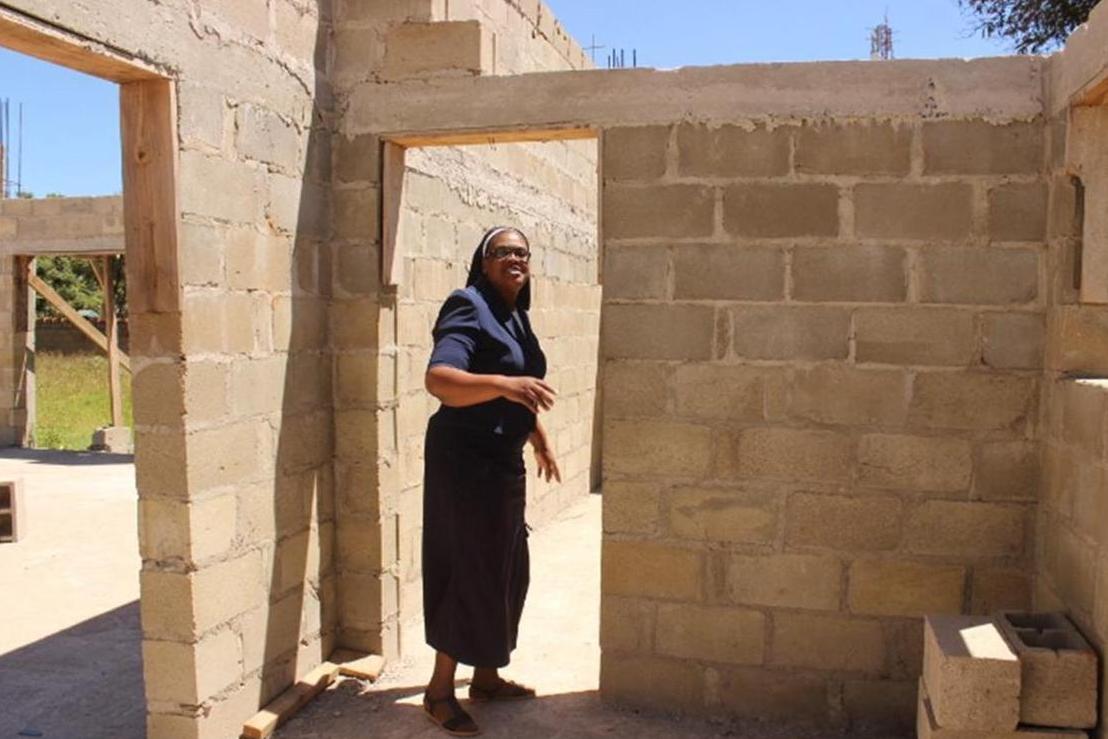
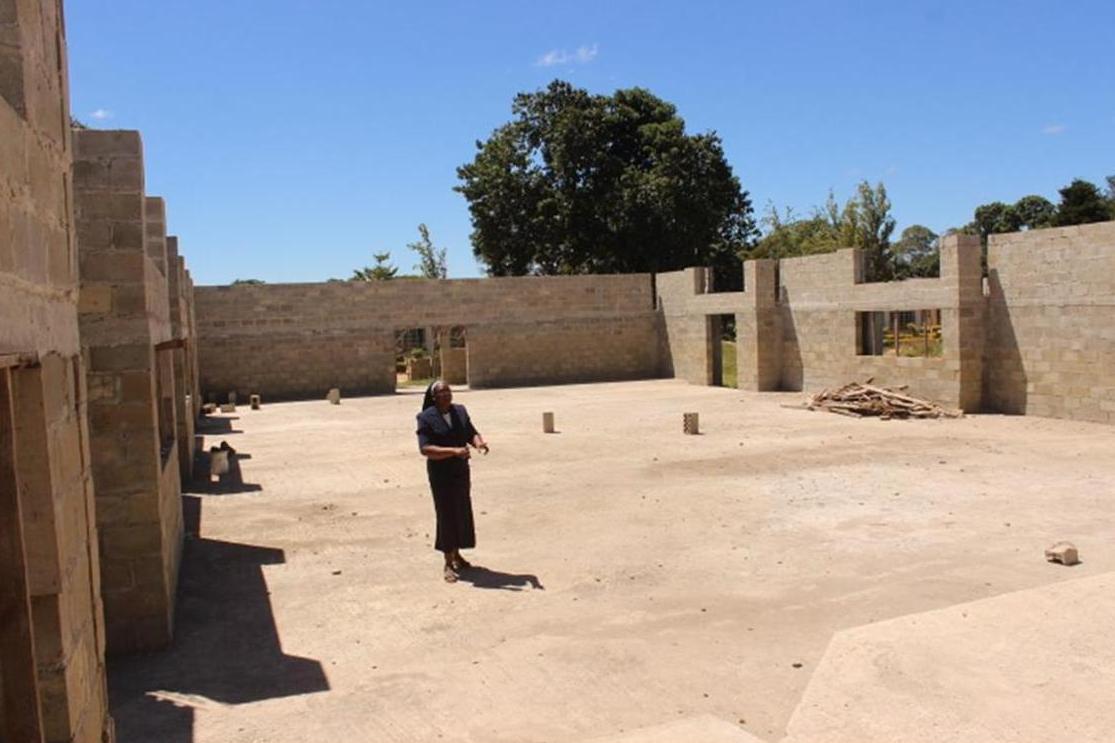

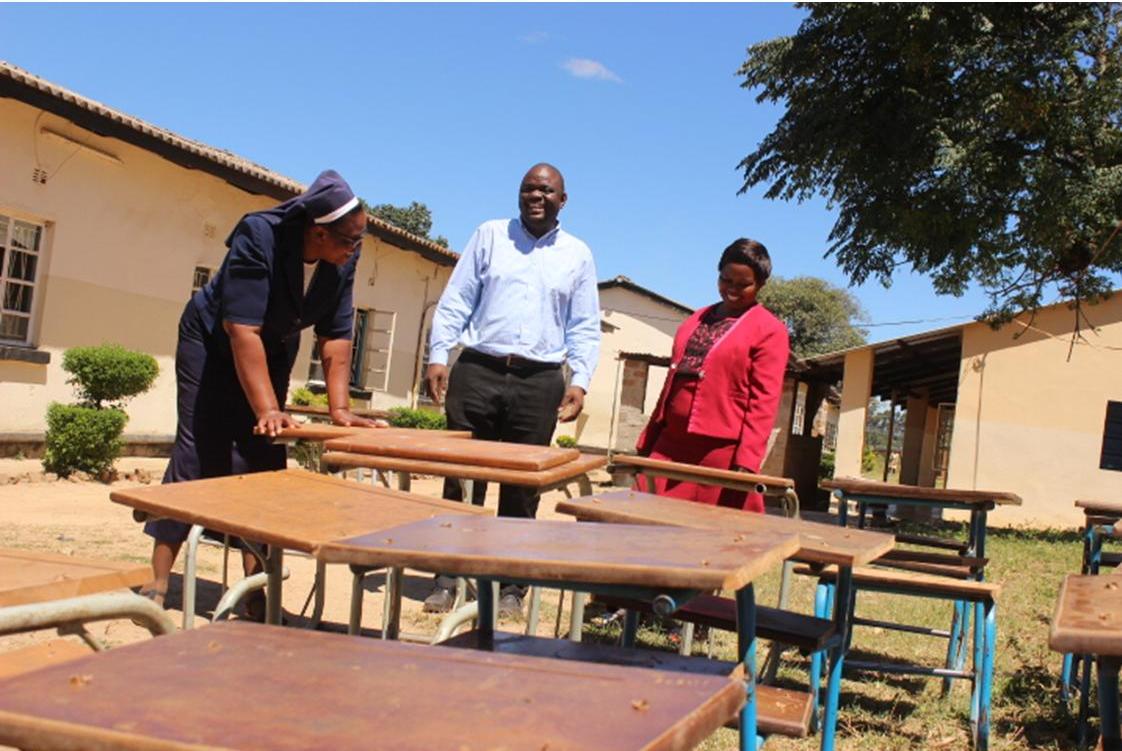
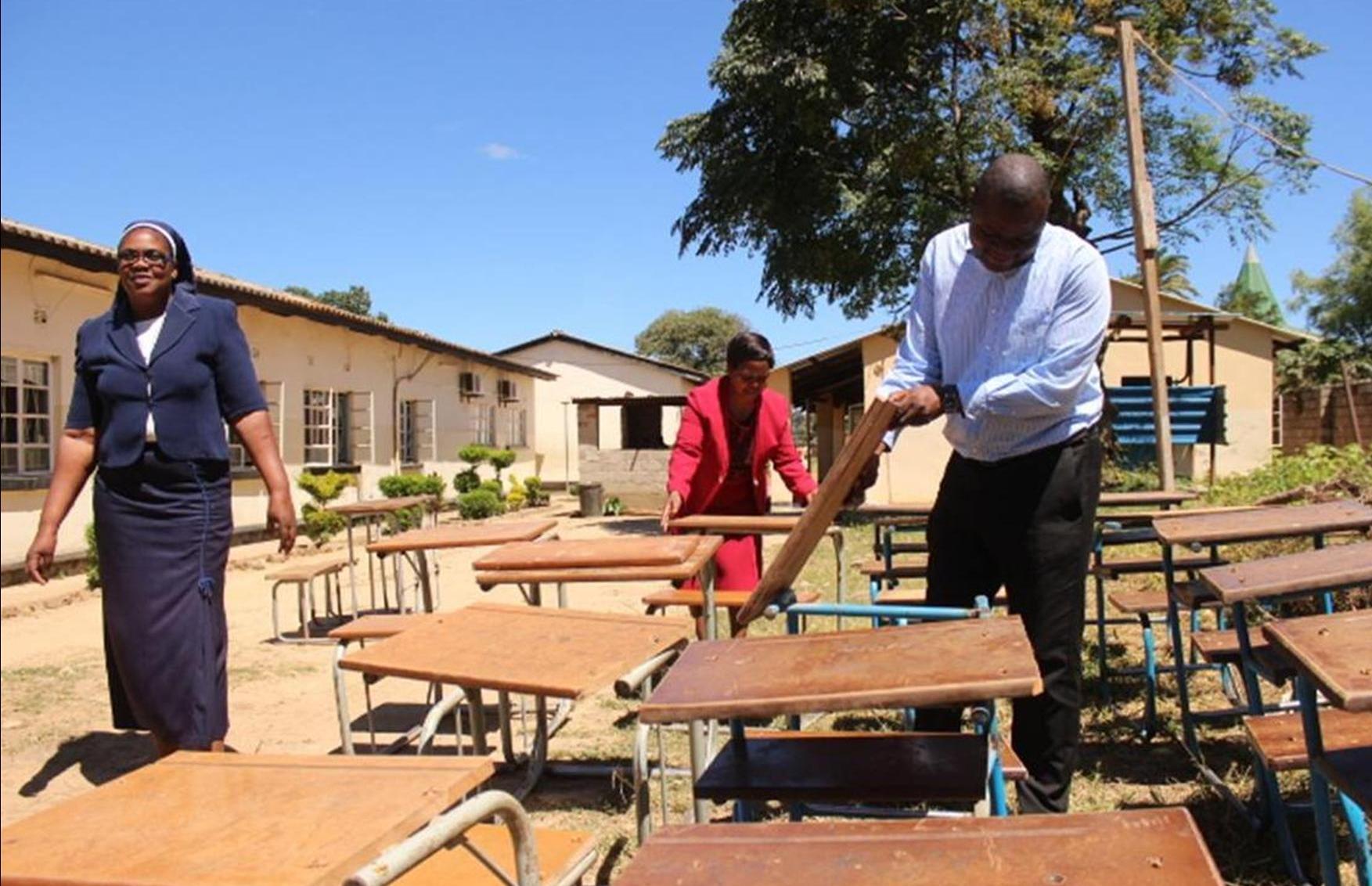
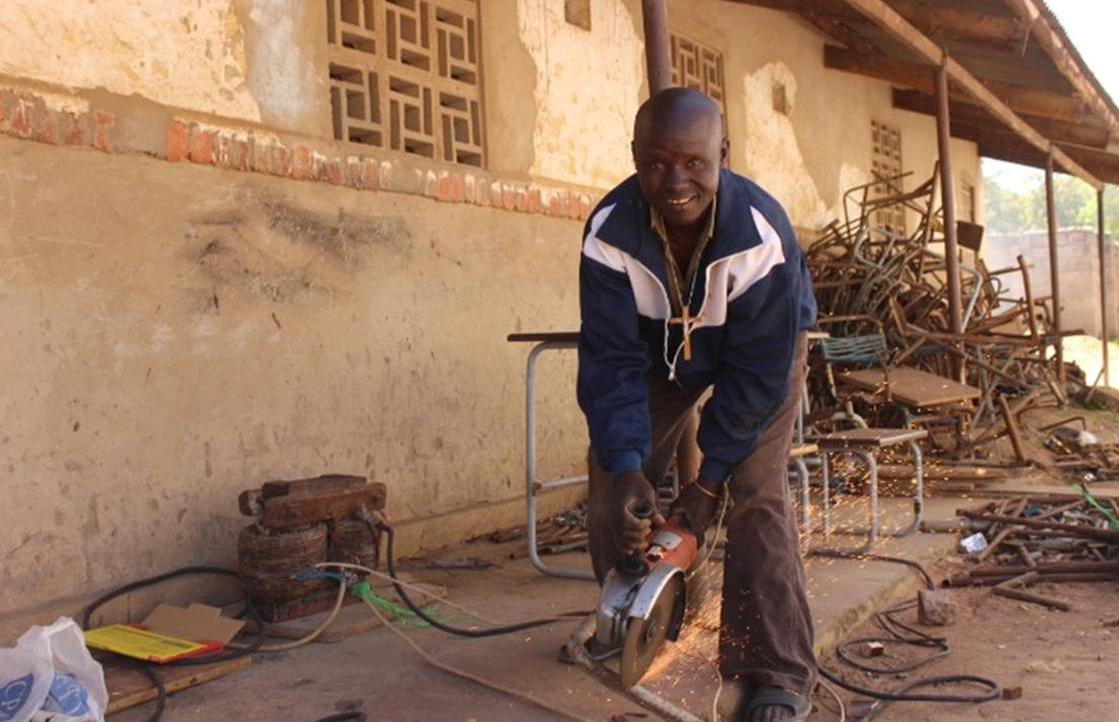
Importance of these Projects
- Student Safety and Well-being:
Well-maintained infrastructure ensures a safe and secure environment for pupils. This includes structural integrity, electrical systems, plumbing, and other essential components.
Repairs and improvements contribute to the overall well-being of pupils by creating a conducive learning environment, free from potential hazards. - Enhanced Learning Environment:
A well-maintained school infrastructure creates a positive and conducive atmosphere for learning. Clean and well-lit classrooms, functional furniture, and updated facilities contribute to a better learning experience for pupils. - Improved Academic Performance:
Upgraded facilities and infrastructure can positively impact pupils’ academic performance. Adequate classrooms, libraries, laboratories, and technology support effective teaching and learning methods. - Teacher Morale and Productivity:
A comfortable and well-equipped teaching environment boosts teacher morale and productivity. This, in turn, can lead to improved quality of education and better outcomes for pupils. - Community Perception and Support:
Schools with well-maintained infrastructure and repair projects often gain the support and trust of the community. This can lead to increased community involvement, which is beneficial for the overall development of the school. - Long-Term Cost Savings:
Regular maintenance and repair projects can help prevent major issues that may require more extensive and expensive fixes in the future. Proactive infrastructure management can lead to long-term cost savings. - Compliance with Regulations:
Upgrading and maintaining school infrastructure ensures compliance with safety and health regulations. This is essential for the school to operate legally and to provide a secure environment for students and staff. - Technology Integration:
Infrastructure projects often include the integration of modern technologies, such as smart classrooms, computer labs, and high-speed internet. These technologies enhance the overall educational experience and prepare pupils for the digital age. - Sustainability and Environmental Considerations:
Infrastructure projects can incorporate sustainable and eco-friendly practices, contributing to environmental conservation. This can include energy-efficient systems, water conservation measures, and the use of environmentally friendly materials. - Fostering a Sense of Pride and Ownership:
Well-maintained and aesthetically pleasing school buildings can instill a sense of pride and ownership among pupils, teachers, and the community. This positive environment can have a ripple effect on the overall school culture.